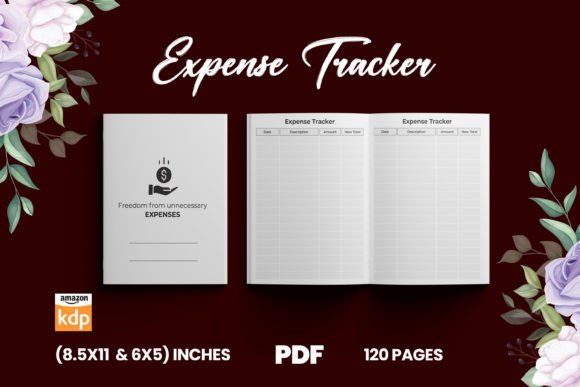
Expense Tracker Log Book: Your Simple Spending Companion
Most people don't realize where their money disappears until they look back at a month of small, forgotten purchases. An Expense Tracker Log Book changes that by giving you a clear, hands-on way to record every dollar as it leaves your hands. Unlike apps that buzz with notifications or spreadsheets that feel like work, a physical logbook sits quietly on your desk, ready when you need it, never demanding your attention.
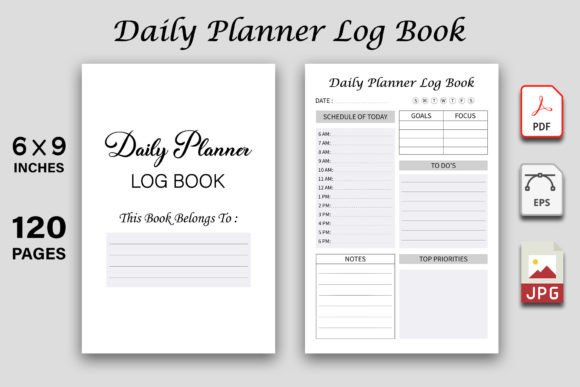
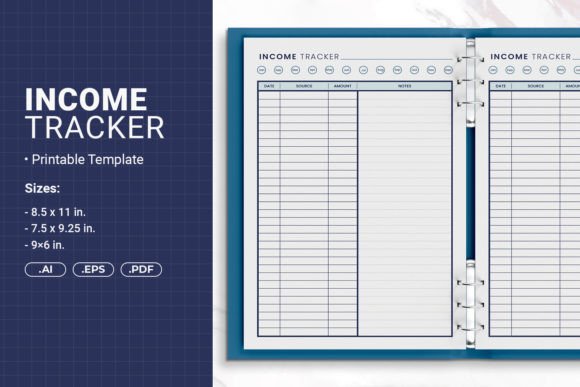
This particular expense tracker combines weekly and daily expense tracking in one clean layout. It is printed on quality paper that handles ink without bleeding through, and it comes in two practical sizes—8.5 x 11 inches for those who want plenty of writing space and 6 x 9 inches for people who prefer something portable. With 120 pages of structured entries, you get enough room to track spending for several months. There is also a PDF printable file option if you prefer to print fresh sheets at home or keep a digital backup.
What Makes a Paper Expense Tracker Still Relevant
In a world filled with budgeting software and banking apps, writing things down by hand might seem outdated. Yet there is a quiet power in the physical act of recording a purchase. It creates a moment of awareness that tapping a screen rarely provides. When you write "coffee $4.75" in your Expense Tracker Logbook, you pause just long enough to ask yourself if that purchase aligned with your priorities.
Handwriting also reduces distraction. You are not switching between apps, dismissing notifications, or scrolling through bank feeds. You are simply present with your numbers. For many adults juggling family budgets, freelance income, or small business costs, that focused time becomes unexpectedly valuable.
Built for Daily and Weekly Tracking Rhythms
The dual structure of this tracker addresses a common budgeting problem. Daily entries capture the small, easy-to-forget transactions—the parking meter, the snack from the vending machine, the app subscription that auto-renewed. Weekly summaries let you step back and see patterns. Maybe every Thursday you overspend because you are tired and ordering takeout. That insight would stay hidden in a daily-only log.
Each page gives you space to note the date, description, category, and amount. Over time, those simple columns build a detailed picture of your financial habits without overwhelming you with complexity.
Monthly Review Section Keeps Your Family Budget on Track
One standout feature is the monthly review section. After four or five weeks of daily entries, you can sit down with your partner or just by yourself and tally what happened. Which categories crept over budget? Where did you underspend? Did an unexpected car repair throw everything off? The review section turns raw data into a conversation about what to adjust next month.
For families, this review ritual helps both partners stay informed without constant check-ins. One person might handle day-to-day entries while the other reviews the monthly summary. The logbook becomes a shared reference point rather than a source of friction.
Why Two Sizes Matter More Than You Think
The 8.5 x 11 inch version gives you the full letter-size page experience. There is room for detailed notes, extra columns, and comfortable handwriting. This size works beautifully on a home desk, in a kitchen command center, or anywhere you handle household finances. You can leave it open to the current week and everyone in the family can add their expenses as they walk by.
The 6 x 9 inch version slips into a purse, backpack, or glove compartment. Freelancers who track mileage and client lunches find this size ideal. Students managing a tight monthly allowance can carry it between classes. Small business owners who make frequent supply runs appreciate having it handy in the car. The portability means you actually record expenses when they happen, not hours later from memory.
Both sizes share the same internal layout and 120 pages of structured content. The choice comes down to where and how you plan to use your tracker most often.
Quality Paper That Withstands Daily Use
Nothing frustrates a handwritten system faster than ink bleeding through to the next page. The printed on quality paper aspect of this tracker addresses that directly. You can use gel pens, rollerballs, or even fountain pens with confidence. The paper thickness also stands up to erasing, which matters when you accidentally write the wrong amount or need to adjust a miscategorized entry.
Beyond the practical benefits, quality paper simply feels better to use. It turns a chore into a small daily ritual you might actually look forward to. That subtle shift in experience keeps people consistent far longer than a flimsy notebook ever could.
The PDF Printable Option for Flexible Use
The included PDF printable file adds another layer of flexibility. You can print fresh copies of any page you need more of—perhaps you want extra daily entry sheets without buying a whole new book. You can also keep a digital version on your tablet and use a stylus if you prefer a paperless approach but still want the structured layout.
Some users print a single week's page to test the system before committing to the full logbook. Teachers and financial educators print pages for classroom exercises on budgeting. Couples print duplicate monthly review sheets so each person can fill one out independently before comparing notes. The digital file extends the usefulness of the physical product in ways a standalone notebook cannot match.
Simple Categories Without Overcomplicating Things
The tracker uses broad, practical categories that most households and individuals will recognize immediately: housing, transportation, food, utilities, entertainment, healthcare, and a few flexible slots for personal needs. You are not forced into micro-categories that feel academic or disconnected from real life. At the same time, the structure is clear enough that you can spot spending leaks quickly.
Beginners often freeze when faced with complicated budgeting frameworks. This tracker removes that barrier. You write down what you spent and slot it into a category that makes sense to you. The consistency of doing it daily teaches you more about your habits than any sophisticated system ever could.
Who Benefits Most from This Approach
The range of people who find value in an Expense Tracker Log Book is broader than you might expect.
Freelancers and gig workers with irregular income need to track expenses carefully to understand their true take-home pay. When your income fluctuates, knowing your baseline monthly spending becomes essential for planning slow months.
Small business owners who mix personal and business purchases benefit from a daily log that catches deductible expenses they might otherwise forget. That quick lunch meeting or the printer ink picked up on the way home adds up over a tax year.
Couples and families use the tracker to stay aligned without nagging each other. The logbook becomes a neutral record rather than one person policing the other's spending.
Students and young adults learning to manage money for the first time build healthy habits without relying solely on apps that categorize things automatically. Manual tracking builds lasting awareness.
Anyone recovering from a financial setback or working to pay down debt finds that visible, daily accountability makes abstract goals feel concrete and achievable.
Practical Ways to Build the Tracking Habit
Starting a new habit is the hardest part. Here are a few realistic approaches that work with this tracker's daily and weekly structure.
Keep the 6 x 9 inch version in your bag and jot down purchases as you make them. Waiting until evening means you will forget something. Even one missed coffee a day adds up to a misleading picture by month's end.
Set a five-minute alarm on your phone for the same time each evening. Use that window to transfer any receipts you collected during the day into your logbook. Pair it with something you already do, like making tea or winding down before bed.
Pick one day each week—Sunday mornings work well for many people—to review the past seven days and fill in the weekly summary section. This weekly check-in takes less than ten minutes and keeps small problems from becoming large ones.
At the end of each month, use the monthly review section before setting next month's budget. Compare what you planned to spend against what actually happened. Adjust categories that consistently run over. Celebrate categories where you came in under budget, even if only by a few dollars.
Things to Consider Before Choosing Your Tracker
Think about where you will use it most. If you work from home and want a dedicated financial station, the larger 8.5 x 11 inch size makes sense. If you are constantly on the move, the portable 6 x 9 inch format will get used more consistently.
Consider whether you want the physical book, the PDF printable file, or both. The PDF gives you unlimited reprints of any page, which appeals to people who prefer ring binders or disc-bound systems. Others want the bound book's permanence and the satisfaction of filling every page.
Be honest about your follow-through. A tracker only works if you use it. If you have tried and abandoned digital tools before, the tactile nature of a physical logbook might be exactly what keeps you engaged. If you tend to lose notebooks, the PDF option with a dedicated binder might suit you better.
Why This Tracker Supports Long-Term Money Awareness
Short-term budgeting fixes rarely stick because they do not change how you think about spending. An Expense Tracker Log Book slowly rewires your awareness. After a few weeks of daily entries, you start noticing patterns without even trying. You hesitate before impulse purchases because you know you will have to write them down. That pause is where lasting financial change begins.
The combination of daily tracking, weekly summaries, and monthly reviews creates a natural learning cycle. You gather data, spot trends, make adjustments, and repeat. Each month builds on the previous one. Over time, you develop an intuitive sense of your spending that stays with you even if you eventually track less frequently.
Money management does not have to be complicated to be effective. Sometimes the simplest tool, used consistently, outperforms every sophisticated alternative. A well-designed paper tracker fits quietly into daily life, asks little of you, and gives back far more than it takes.