The Daily Weather Logbook: A Practical KDP Interior for Modern Observers
In a world of fleeting digital forecasts, the act of manually logging the weather represents a powerful return to mindful observation. The Daily Weather Logbook KDP Interior provides a structured, printable framework for this practice, transforming casual interest into meaningful data. This isn't merely a notebook; it's a designed interior template ready for publication on Amazon KDP, catering to a growing audience of creators and enthusiasts who value tangible records over transient app notifications.
Why Weather Logging is More Relevant Than Ever
While we have instant access to hyper-local weather apps, the depth of understanding comes from consistent, personal recording. Tracking daily conditions—temperature, precipitation, wind speed, cloud cover—creates a unique dataset that apps cannot provide: your lived experience of the climate. This practice aligns with several contemporary trends: a renewed interest in hands-on hobbies, the rise of data literacy among non-specialists, and a growing awareness of local climate patterns and their subtle shifts. For gardeners, it informs planting and watering; for outdoor professionals, it aids in planning; for parents, it becomes a educational family activity; and for anyone curious about their environment, it fosters a deeper connection to the natural rhythms of their locale.
From Casual Interest to Structured Documentation
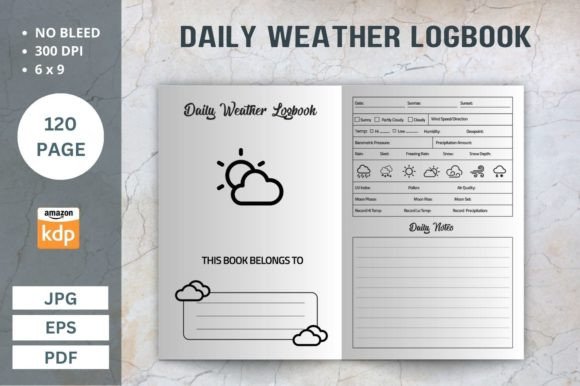
The evolution of weather tracking has moved from anecdotal remarks to systematic journaling. The Daily Weather Logbook KDP Interior facilitates this shift. Its 120-page design offers ample space for daily entries over extended periods, allowing for the tracking of seasonal cycles, anomalous events, and long-term weather trends. By including fields for barometric pressure, dew point, humidity level, UV index, sunrise, and sunset, it elevates basic observation to a more comprehensive record of atmospheric conditions. This structured approach turns a simple log into a valuable weather journal or climate data resource, useful for personal reference, educational projects, or even supplementing professional reports.
A Tool Designed for Creators and Users
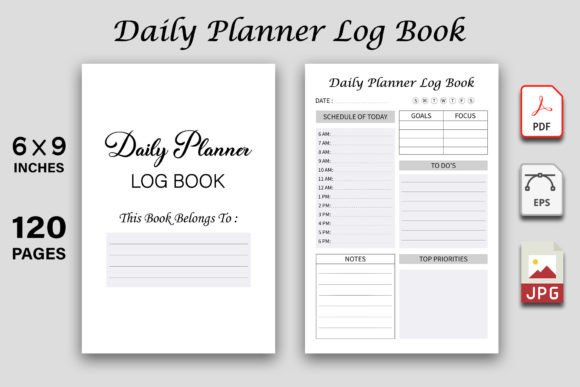
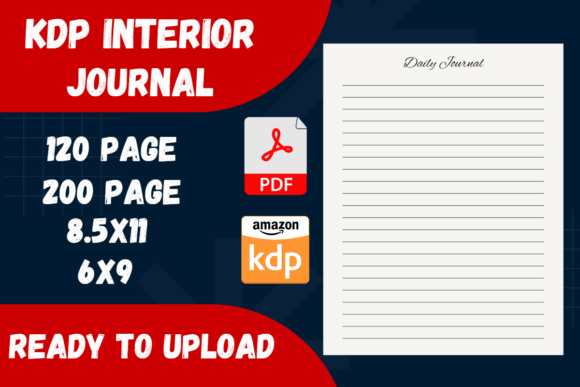
As a KDP (Kindle Direct Publishing) interior, this logbook is specifically formatted for self-publishing success. The "6 x 9" size, "no bleed" design, and print-ready high-resolution files (JPG, EPS, PDF 300 dpi) mean it's a practical product for entrepreneurs and creators. It's tested and ready to upload, removing technical barriers for those looking to offer a physical product in niches like hobbyist publishing, educational resources, or lifestyle accessories. For the end-user, this means acquiring a professionally formatted, durable logbook that is perfectly sized for easy use and shelf storage.
Practical Applications and User Implications
The utility of a dedicated weather logbook spans numerous activities. Consider a gardener in the Pacific Northwest meticulously recording rainy and dry days to optimize soil management. A school teacher using it for a year-long classroom weather observations project. A homeowner tracking wind speed and direction to assess local microclimates for energy efficiency. An artist noting cloudy versus sunny light conditions for their plein air painting schedule. The logbook serves these varied needs by providing a consistent framework for weather monitoring and subsequent weather analysis. The data collected becomes a personalized benchmark against which generic forecasts can be evaluated, building a more intuitive understanding of local accuracy.
Integrating Analog Logging with Digital Awareness
Modern weather logging doesn't reject technology; it complements it. Users often cross-reference their handwritten entries with official weather forecast data or air quality indexes, creating a rich, hybrid record. This analog practice enhances digital consumption by adding a layer of critical observation and personal context. It encourages users to not just receive information, but to engage with it, question it, and record their own empirical evidence. This is particularly valuable in discussions about climate change, where personal, longitudinal data—notes on unusually hot or cold seasons, shifting precipitation patterns—can ground abstract concepts in tangible, daily experience.
Key Features That Enhance the Logging Experience
The design of this specific interior is built for longevity and clarity.
- Comprehensive Daily Fields: Captures essential metrics like temperature, precipitation type, wind details, and humidity level, alongside observational notes.
- Long-Term Capacity: With 120 pages, it supports multi-year tracking, enabling the identification of true climate patterns.
- Creator-Friendly Format: As a tested KDP interior, it is a ready-to-use product for publishers, emphasizing ease of use and professional output.
- Focus on Core Variables: It prompts recording of visibility, sunrise/sunset times, and wind direction, variables crucial for holistic weather conditions understanding.
Building a Tangible Record in a Digital Age
The Daily Weather Logbook KDP Interior ultimately answers a modern desire for substance and permanence. In a culture saturated with momentary digital updates, a physical logbook offers a slower, more reflective practice. It represents a conscious choice to document, to learn through routine, and to create a personal artifact of one's environment. Whether used for practical decision-making, scientific curiosity, creative inspiration, or simple daily mindfulness, this tool bridges the gap between fleeting information and enduring knowledge. It empowers anyone—from the weather enthusiast to the professional freelancer working from a home office affected by local climate—to become an active observer, building a unique and valuable record of the world immediately outside their window.